

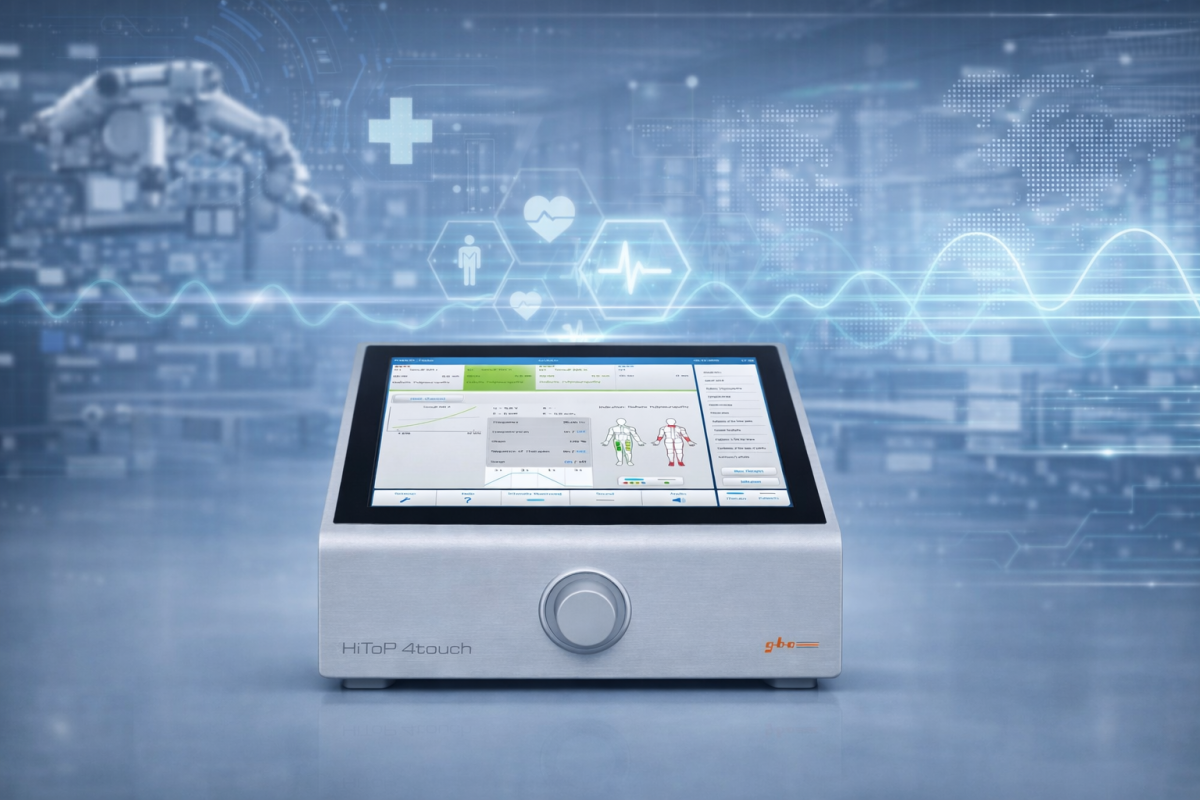
High-Tone Therapy (HiToP Therapy) is one of the most advanced forms of electrotherapy used in modern physiotherapy, pain clinics, orthopedics, neurology, and rehabilitation centers across Europe.
Unlike traditional electrotherapy methods such as TENS or IFC, High-Tone Therapy does far more than stimulate surface nerves.
It uses very high-frequency modulated currents (4kHz–32kHz) that penetrate deeper tissues and even affect cellular metabolism.
The result?
Reduced chronic pain
Better blood and lymph circulation
Improved muscle function
Faster recovery after injury or surgery
Enhanced cellular energy (ATP production)
 How High-Tone Therapy Works
High-Tone Therapy is performed using devices such as HiToP® 1Touch, 2Touch, or 4Touch.
Electrodes are placed on the target area, and the device sends high-frequency, amplitude-modulated electrical currents into the tissue.
These currents:
Penetrate deeper than classical TENS
Stimulate muscle fibers and soft tissue
Increase ATP production in mitochondria
Boost microcirculation and lymphatic flow
Reduce inflammation and muscle tension
In simple terms:
High-Tone Therapy helps the body activate its own healing processes faster and more effectively.
 Benefits of High-Tone Therapy
Why Clinics and Doctors Use This Method
 1. Effective Pain Reduction
Ideal for:
Lower back pain
Neck and shoulder pain
Knee and hip pain
Disc-related pain
Sciatica and nerve-related pain
2. Neurological Benefits
High-Tone Therapy is widely used for:
Peripheral neuropathy
Nerve pain
Burning or tingling sensations
Diabetic neuropathy
3. Improved Circulation & Reduced Inflammation
Perfect for:
Chronic inflammation
Muscle spasms
Swelling and poor lymph flow
4. Post-Surgery & Sports Rehabilitation
Helps restore function after:
Orthopedic surgeries
Sports injuries
Muscle fatigue
5. Increased Range of Motion
Patients gradually regain flexibility and joint function.
 High-Tone Therapy vs. TENS (Traditional Electrotherapy)
| Feature | TENS | High-Tone Therapy |
|---|---|---|
| Penetration | Surface only | Deep (muscle, joint, nerve) |
| Effect | Temporary pain relief | Cellular repair + inflammation reduction |
| Patient Comfort | Mild tingling | Very comfortable and relaxing |
| Suitable for | Simple pain | Chronic & complex pain |
| Duration of Effect | Short | Longer-lasting results |
High-Tone Therapy is considered an advanced upgrade to classical electrotherapy.
Clinical Applications of High-Tone Therapy
Commonly used in:
Physiotherapy clinics
Pain management centers
Orthopedic clinics
Neurology clinics
Post-surgery rehabilitation
Sports medicine
Suitable for patients with:
Chronic pain conditions
Neuropathy
Muscle stiffness
Post-surgical pain
Limited mobility
Musculoskeletal injuries
Diabetes-related nerve pain
 Treatment Duration and Number of Sessions
A typical session lasts 20–45 minutes.
Most patients improve within 5–8 sessions, while chronic cases may require 10–12 sessions.
 Does High-Tone Therapy Hurt?
No.
High-Tone Therapy is known for being extremely comfortable.
Patients usually feel:
Warmth
Light vibration
Deep relaxation
It is one of the least painful electrotherapy techniques available.
Side Effects and Safety
High-Tone Therapy is:
Non-invasive
Drug-free
Safe for most patients
However, it is not used for patients with:
Pacemakers
Pregnancy
Active infections at the treatment site
Conclusion
High-Tone Therapy is a modern, powerful, and clinically effective technology for treating chronic pain, neurological disorders, muscle tension, and post-surgical conditions.
By improving cellular energy, blood circulation, and tissue recovery, it offers benefits far beyond traditional electrotherapy.
For clinics that want to provide advanced, patient-friendly, and evidence-based treatments, High-Tone Therapy is an excellent addition to their rehabilitation systems.